
OVERCHESS Piece Tier List
Pre-release speculative rankings from trailer and store copy — plan demo runs, not final balance.
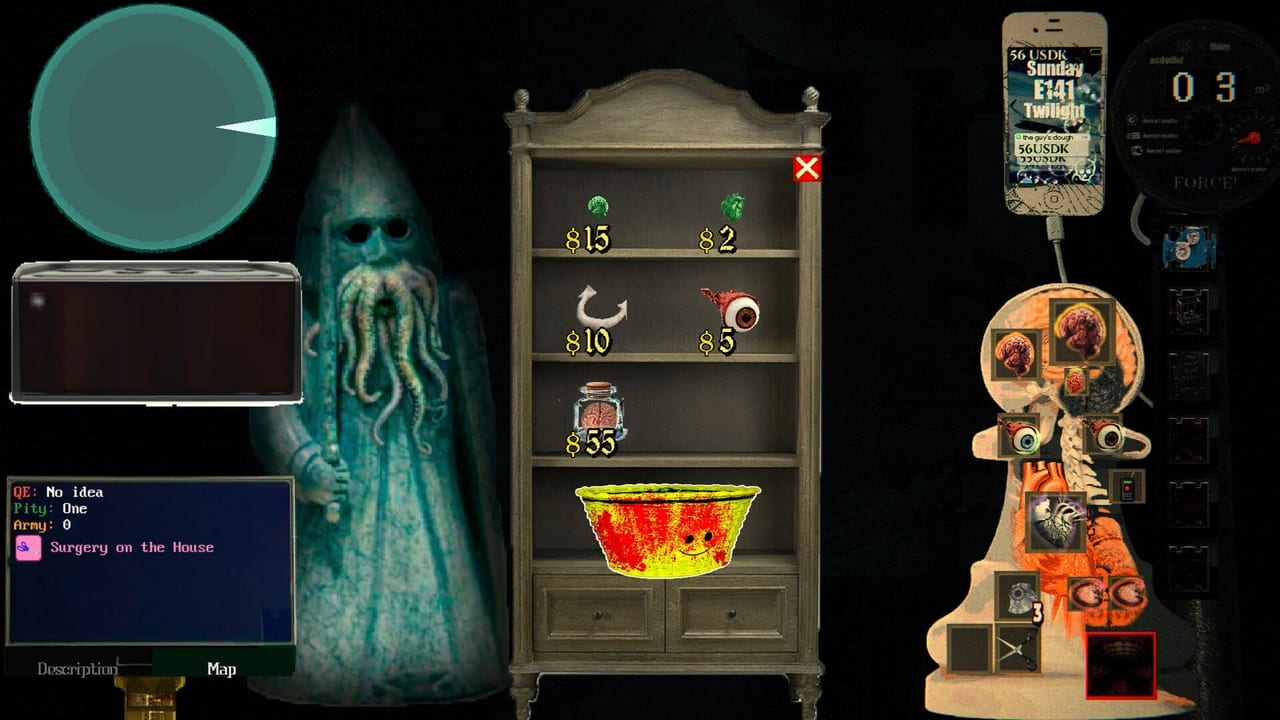
This Piece Tier List Hub ranks the cast and hazards teased in OVERCHESS marketing — the Steam page, screenshots, and the tongue-in-cheek NOT A TRAILER pitch — so you can plan demo runs with eyes open. OVERCHESS is still heading toward a 2026 full release from developer ktotakops. Nothing here is a live balance patch. Treat every tier as a planning lens: what the store copy emphasizes, what looks central to the fantasy of collecting an army, and what looks like a soft-lock or run-ender if you ignore it.
You play a lone pawn in an endless, not-always-fair chess world of pocket dimensions. Store text pushes army-building hard: make friends, enemies, slaves, and worms; face alcoholism, ludomania, diseases, and crocodiles / alligators; still risk dying to a random quantum fluctuation. The fantasy is excess — multidimensional chess with a pawn that can modernize itself — not a dry ELO table. Rankings below follow that fiction.
For hands-on setup once pages land, pair this hub with Build Your Army, the How to Play overview, and the Demo Guide. Check system requirements before you install, and watch Updates for official news instead of fan tiers.
Ranking criteria (pre-release)
- Fantasy centrality — how often Steam copy or trailer framing puts the unit or threat on stage.
- Army leverage — whether the piece reads as something you recruit, convert, or command.
- Run pressure — disease, addiction, and wildlife that can stall a 19,000-block ambition.
- Control vs chaos — friends and slaves imply agency; quantum fluctuation implies you never fully own the board.
S-tier does not mean “overpowered in the patch notes.” It means “plan around this first when you boot the demo.” F-tier means “interesting flavor, do not build your whole route on it yet.”
S tier — plan every demo route around these
The player pawn
You are the pawn. Marketing repeats it until it sticks: alone against an open world, capable of modernization, stubborn enough to try crossing absurd distances. In a speculative army list the pawn sits in S because every other rank orbits your decisions. Friends amplify you; slaves extend you; enemies and wildlife test whether your modernization was real or cosplay. Demo tip: treat early minutes as pawn-identity time — movement comfort, camera, and how the board reads — before you hoard every recruit.
Friends
Store copy pairs “make friends” with army collection. Friends are the optimistic half of recruitment: pieces that fight with you rather than under a whip. Until patch notes exist, assume friends are your highest-trust force multipliers and the cleanest way to scale without leaning entirely on enslavement fantasy. Speculative demo priority: secure one reliable friend before you over-invest in risky conversions.
Slaves (converted enemies)
“Enslave your enemies and turn them into slaves” is not subtle. Slaves are the dark mirror of friends — same army fantasy, uglier economics. They land in S for fantasy centrality and likely combat mass, with a caveat: conversion-focused play may carry narrative or mechanical costs we have not seen listed. Plan a slave-heavy route as a deliberate experiment in the demo, not as the only identity you try.
A tier — strong, situational, still core
Enemies (active opposition)
Enemies are both content and feedstock. You need them on the board for tension; you may need them in chains for slaves. Rank them A as the primary interactive threat layer — more actionable than ambient disease, less absolute than quantum bad luck. Demo note: learn telegraph patterns before you greed every capture.
Alligators / crocodiles
Wildlife gets named twice across short and long Steam blurbs (alligators / crocodiles). That repetition is a signal. Treat reptile encounters as A-tier environmental bosses: memorable, dangerous, and easy to underestimate if you think OVERCHESS is only abstract pieces. Bring army depth before you sightseeing through swamp metaphors.
Disease threats
“Avoid incurable diseases” sits beside jokes about dying anyway. Diseases are A because they sound like lasting run modifiers — the kind of pressure that ruins a carefully built army if you greed a pocket dimension. Speculative rule: if the demo surfaces a clear disease tell, deprioritize shiny side routes until you understand the timer.
B tier — useful tools, not the whole identity
Worms
Worms appear in the recruitment list with friends, enemies, and slaves. That placement implies they are collectible army pieces, not pure hazards. They sit in B until we see kit details: they may be swarm fillers, scouts, or joke units with a niche. Demo plan: pick up worms when the path is safe; do not stall a main objective for a full worm menagerie on day one.
Modernized pawn options
The pitch that the pawn “has a brain and can modernize himself” is an upgrade fantasy, not a separate unit. Still, modernization belongs on a tier page because players will ask what to unlock first. Rank the idea B until trees are public: powerful fantasy, unknown opportunity cost. Cross-check whatever the demo teaches against How to Play.
C tier — flavor pressure and soft hazards
Alcoholism and ludomania
Named vices sit in the short description beside alligators. They read as character or world pressures more than recruitable pieces. C means respect them as distraction or debuff space: interesting, memeable, easy to over-index on before you understand army basics. If the demo frames them as systems, revisit this hub after a few runs.
Unnecessary decisions
Store text warns you to avoid unnecessary decisions — then shrugs that you may die anyway. Decision hygiene is a C-tier “unit” in spirit: a play pattern. Use it as a reminder to keep demo goals tight (reach X blocks, recruit Y friends) instead of opening every pocket dimension on the first clear.
D–F tier — chaos you cannot draft
Quantum fluctuation
Random quantum fluctuation is the honest punchline of the Steam page: avoid everything, die to math ambient. It is not an army piece. It ranks D/F as a controllable asset and S as an environmental honesty check. Build resilient armies in Build Your Army, accept variance, and do not tilt-reroll every fluctuation as if it were a balance bug.
How to use this hub during the demo window
- Skim S and A before launch day so recruitment language makes sense in-world.
- Play the Demo Guide checklist cold — no spoiler routes invented here.
- After two runs, mentally re-rank friends vs slaves based on what actually felt strong.
- Recheck Updates and news before you treat any fan tier as gospel.
- Confirm your PC against system requirements so “I died to quantum” is not “I died to 4 GB RAM.”
What this list is not
- Not official ktotakops balance.
- Not a PvP ladder (OVERCHESS is single-player).
- Not a promise that every named noun is a discrete unlockable unit in the demo build.
- Not a substitute for wishlist discipline on Steam or community signal on Discord / X.
When the full 2026 game ships and real patch notes exist, this hub should split into sub-pages (combat pieces, hazards, recruit economy). Until then, keep expectations cinematic, keep notes short, and keep linking out to guides that teach the board rather than the meme.
Related reading
- Guides Hub — all walkthroughs in one place
- Getting Started — first-hour orientation
- Official Links — Steam, demo, Discord, X, YouTube
- Tools Hub — practical checkers starting with PC specs
Frequently Asked Questions
Quick answers about OVERCHESS, the demo, and this wiki.
Is this OVERCHESS tier list official?
No. It is a pre-release speculative ranking based on Steam store copy, screenshots, and trailer framing. Final balance will come from ktotakops patches after the demo and 2026 launch.
Why rank diseases and quantum fluctuation with army pieces?
Steam text presents them as first-class run pressures beside friends, slaves, and wildlife. A planning tier list that ignored them would mis-teach the fantasy of OVERCHESS.
Should I build only slaves because enslavement is in the slogan?
Not on day one. Friends and slaves both sit high for fantasy centrality. Use the demo to compare trusty allies versus conversion-heavy routes before you main one identity.
Will these tiers change after the demo?
Yes. Revisit this hub after you play, and watch the Updates section for official notes. Speculative S-tiers often shuffle once real kits ship.
Where do I learn controls and demo goals instead of tiers?
Start with How to Play, the Demo Guide, and Getting Started under Guides. Use this page only to prioritize what to pay attention to while you explore.