
How to Build Your Army in OVERCHESS
Friends, enemies, slaves, and worms — a pre-release planning guide for demo runs.
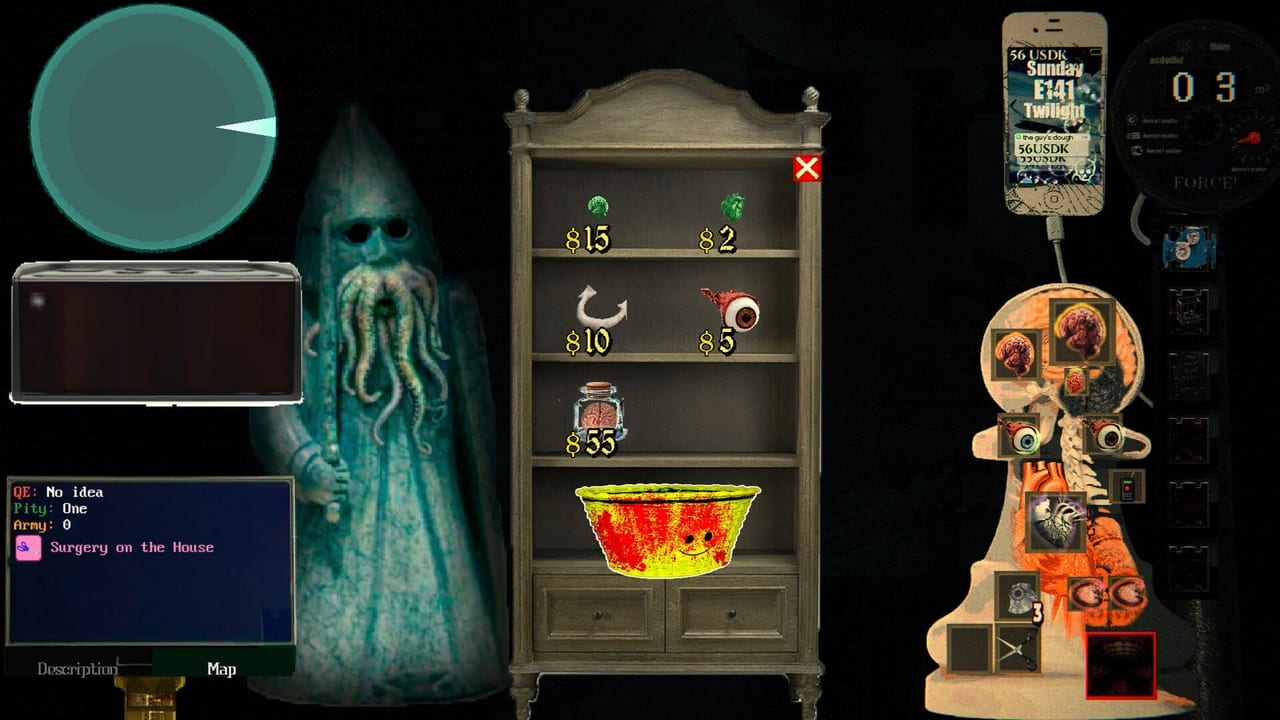
OVERCHESS sells a simple obsession: you are a pawn who refuses to stay alone. Steam copy repeats the loop — meet unexpected company, make friends, enemies, slaves, worms, and collect your own army while the board stretches into pocket dimensions. This guide turns that marketing into a practical demo planning framework. It is not a datamined unit spreadsheet. Kits, caps, and costs will change when ktotakops publishes real systems. Use it to decide what to look for in early sessions, then rewrite your notes after you play.
Pair this page with the speculative Piece Tier List, the Demo Guide, and How to Play. Confirm your PC on system requirements first so army experiments are not hardware failures in disguise.
The fantasy the store actually promises
- Friends — allies you bring along rather than break.
- Enemies — opposition that can become feedstock.
- Slaves — converted enemies; the dark recruitment path named outright on the store.
- Worms — listed beside the others as collectible company, still lightly documented.
- Hazards — diseases, vices, wildlife (crocodiles/alligators), and random quantum fluctuation that can erase a perfect roster.
Army building in OVERCHESS is therefore half roster craft and half risk management. A wide army that ignores disease tells or greedily opens every pocket dimension may still lose to ambient chaos. Build for resilience, not only headcount.
Demo goals for army players
- Learn the pawn first. Movement, camera, and modernization prompts matter more than hoarding ten mystery recruits in minute five. See Getting Started.
- Secure one reliable friend before you specialize in enslavement routes — compare both fantasies honestly.
- Treat enemies as content and resource. Learn their tells; decide when capture/conversion is worth the fight.
- Sample worms opportunistically. Do not derail a primary distance or story beat for a completionist worm zoo on run one.
- Log what actually felt strong. Bring notes back to the tier list so speculative ranks die quickly.
Friends-first draft (safe learning route)
Play the demo as a diplomat-general. Prioritize encounters that read cooperative. Friends-first teaching goals:
- How many allies can follow before the board gets noisy?
- Do friends share your modernization benefits or need their own care?
- What happens if a friend is lost — soft fail, hard fail, or replaceable?
This route pairs well with cautious disease avoidance and fewer greed side paths. It is the cleanest way to evaluate whether OVERCHESS wants you to feel powerful through trust before it tempts you with conversion.
Conversion draft (slaves and enemies)
The slogan “enslave your enemies and turn them into slaves” is central. A conversion draft asks different questions:
- Is conversion free, costly, or narratively dirty with mechanical teeth?
- Do slaves underperform friends, match them, or excel as disposable mass?
- Does over-conversion aggro the open world harder?
Run this second, not first, unless the demo tutorial forces it. You want a baseline of how fights feel with a friend nearby before you judge slave economics.
Worms and weirdos
Worms sit in the recruitment list, so expect them to matter somehow — swarm body blockers, joke units, scouts, or bait. Until tooltips exist:
- Pick them up when the path is already safe.
- Note stacking rules (do worms merge, fan out, or clog chokepoints?).
- Avoid building a theorycraft religion around them before two full demo sessions.
Wildlife and disease as army taxes
Alligators/crocodiles and incurable-disease language are not “units you draft”; they are taxes on the army you already have. Before a swampy or biohazard-looking pocket dimension:
- Bring redundant friends or slaves so one loss does not end the fantasy.
- Heal or cleanse if the demo exposes such verbs — do not invent buttons that are not there.
- Retreat is a valid army decision. Excessive chess still allows cowardice.
Quantum fluctuation: the anti-build
Steam’s punchline is that you can play correctly and still die to random quantum fluctuation. Army advice under that rule:
- Diversify objectives inside a session (distance, recruit, explore) so one wipe still taught something.
- Do not scum endlessly for a “perfect” opening roster during the demo window — sample variance.
- Keep wishlist + Updates open; balance after full launch may reduce or reframe the joke hazard.
Modernizing the pawn while the army grows
The pawn “has a brain and can modernize himself.” Whatever the demo calls upgrades, evaluate them against army size:
- Personal power that makes soloing too easy may reduce the need for friends — is that intended?
- Army-wide auras (if any) change draft priority immediately.
- Opportunity cost: one flashy pawn mod versus two early recruits.
Write the tradeoffs down; do not trust memory after a chaotic session.
Session template (copy into notes)
- Goal this run: __________ (blocks / friend / conversion / worm)
- Recruits gained: __________
- Recruits lost and why: __________
- Hazard hits (disease / wildlife / fluctuation): __________
- Would I repeat this draft? Y/N — why: __________
Related reading
- Piece Tier List — speculative ranks
- How to Play — board basics
- Demo Guide — time-boxed first session
- News & Timeline — what is actually public
- Official Links — Discord / X for living questions
Build loud, document louder, and remember: until patch notes exist, your demo notebook is the real meta.
Frequently Asked Questions
Quick answers about OVERCHESS, the demo, and this wiki.
Is there an official OVERCHESS army tier list from ktotakops?
Not in the public Steam materials summarized here. Use the wiki’s speculative Piece Tier List for planning, then replace it with your demo evidence.
Should I only enslave units because the slogan says so?
No. Friends are listed alongside slaves. Try a friends-first demo run before a conversion-heavy identity so you can compare feel and power.
Do worms count as a real army piece?
Steam lists them with friends, enemies, and slaves, so plan to collect them — but treat their exact role as unknown until the demo shows tooltips.
Can quantum fluctuation delete my army progress?
Store copy frames random quantum fluctuation as a lethal ambient risk. Build resilient goals per session and do not assume every wipe is a bug.